Disinfection
In shared work environments, hygiene standards are a part of everyday operations. Industrial sanitation products play a key role in supporting safe conditions in regulated and operational sites.
Read More
Features and Specifications:
-
Formulated for hard surfaces such as floors, walls and fittings to support routine sanitation.
-
Active ingredients provide antibacterial and sanitising action where hygiene control is a must.
-
Concentrated and portion-controlled options for accurate dosing.
-
Tested to recognised standards for use in regulated environments, including healthcare and food-related settings.
-
Solvent-free and medium-alkaline formulations manage soil and grime while supporting repeated application.
Use-Cases and Compatibility:
High-traffic facilities use industrial sanitation products to maintain hygiene standards and site safety. Oates’ range supports routine cleaning tasks and integrates easily into existing workflows.
-
Healthcare and aged care - Used on hard surfaces in patient areas, washrooms and shared zones. These products support sanitation routines aligned with established care protocols.
-
Hospitality and accommodation - Applied in guest areas, amenities and back-of-house spaces where hygiene standards are closely monitored. Compatible with spray bottles for targeted surface application.
-
Food service and catering - Industrial sanitation products can be used on pre-cleaned hard surfaces in kitchens and service areas, and are compatible with kitchen and dishwashing solutions.
-
Education and public facilities - Suitable for classrooms, amenities and high-contact areas. Bulk formats support consistent application across large sites.
-
Commercial and industrial environments - Applied in work areas, amenities and waste zones where sanitation forms part of routine site management.
Comparing Industrial Sanitation Products
Different industrial sanitation products support different site needs, depending on surface type, application method and how products are supplied. The table below compares how each option differs in use, application and supply format.
|
Product |
Application |
Effectiveness |
Supply format |
|
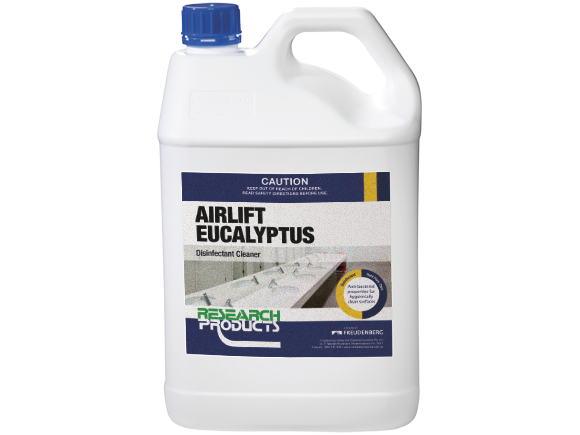
Airlift Eucalyptus |
Applied to floors, walls and fittings using spray application or mop buckets in shared facilities. |
Antibacterial disinfectant aligned with TGA commercial standards |
Bulk liquid supplied in 5L containers. |
|
Airlift Lemon |
|||
|
Crusader |
Used on floors, walls and work surfaces in kitchens, wet areas and waste zones. |
Cleaner and sanitiser supporting soil removal and antimicrobial action. |
|
|
Citraguard |
Applied to pre-cleaned hard surfaces in regulated environments. |
Virucidal and bactericidal disinfectant registered with the TGA. |
|
|
Sachet Magic Sanitiser Cleaner |
Diluted for use on food-contact surfaces and catering equipment. |
Sanitiser cleaner tested to EN1276 standards. |
Portion-controlled sachets supplied in cartons. |
Pack size selection depends on how frequently industrial sanitation products are used and applied on site. Bulk 5L formats suit areas that require regular surface sanitation and scheduled refilling, while portion-controlled sachets work well where accuracy with dosing, storage space, or food-area use matters. Matching size to usage patterns reduces handling time and supports consistent supply.
Care and Maintenance:
Regular handling practices support the performance and shelf life of industrial sanitation products in commercial settings. A few simple steps help maintain effectiveness during routine use:
-
Store products properly - Keep containers sealed and stored in cool, dry areas away from direct heat. Heat and moisture can alter how disinfectants perform, which may reduce effectiveness during use.
-
Use clean dispensing equipment - Rinse spray bottles, buckets and dosing tools before refilling. Clean equipment reduces the risk of product contamination.
-
Follow dilution instructions - Prepare solutions according to the product instructions. Doing so not only supports effective sanitation but also consistent results.
-
Rotate stock regularly - Use older stock first and check date markings during refills to help maintain production performance across sites.
When hygiene standards need to be maintained day after day, Oates Professional offers industrial sanitation products aligned with commercial use. Contact us today to build a cleaning setup that reflects your site's needs.
FAQs
What are industrial sanitation products and why are they important?
In busy sites, industrial sanitation products support hygiene routines, helping reduce bacteria and manage risk on hard surfaces. They’re used in regulated environments like healthcare, food service and education, where consistent sanitation supports compliance and day-to-day operations.
How do I choose the right industrial sanitation product for my business?
Selection usually comes down to surface type, how the product is applied, and the standards your site works under. For example, TGA-tested disinfectants like Airlift Eucalyptus or Citraguard are used where verified antibacterial or virucidal action is required, while portion-controlled options help manage dosing in food areas.
Are there eco-friendly options available in industrial sanitation products?
Some options focus on reduced environmental impact while still meeting commercial needs. Oates’ Sachet Magic Sanitiser Cleaner, for instance, uses biodegradable, phosphate-free ingredients and portion-controlled sachets to cut chemical waste and excess packaging.
How often should I replace my industrial sanitation products?
Replacement generally depends on usage frequency, dilution rates and storage practices. Checking date markings, rotating stock, and monitoring how quickly products are used on site keep your supply fresh and effective.
Can these products be used in food preparation areas?
Certain industrial sanitation products are approved for food environments when used correctly. Sachet Magic Sanitiser Cleaner, for example, is fragrance-free, tested to EN1276 standards, and intended for use on pre-cleaned food contact surfaces and catering equipment.
What safety precautions should I take when using industrial sanitation products?
Always follow label directions for dilution and application, and use clean spray bottles or mop equipment to avoid contamination. Storing containers sealed in cool, dry areas and avoiding direct contact with concentrates supports safer handling during routine use.