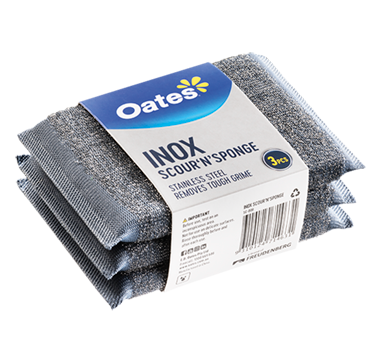
Metal Scourers
When cookware has been pushed hard during service, regular pads don’t always cut it. Metal scourers deliver the abrasion needed to clear stubborn build-up and keep washing tasks moving.
Read More
Features and Specifications:
-
Made from high-grade stainless steel that resists rusts and maintains structure during intensive washing.
-
Knitted filament design delivers strong abrasion and reduces linting during repeated use.
-
Spiral builds offer firm scrubbing power for burnt and baked residue on pots, pans and hard-wearing surfaces.
-
Available in practical weight options, including 50g and 70s, to suit different residue levels.
-
Holds water well to create richer detergent foam, helping break down stubborn grime faster.
Use-Cases and Compatibility
A stainless steel scourer delivers the grit needed for stubborn grime that clings to hard-wearing surfaces in busy kitchens. It handles the tougher side of cleaning where food build-up needs firm abrasion without slowing the pace.
Here are practical ways it’s used day to day:
-
Pots and pans - Ideal for removing residue that settles on metal cookware. It pairs well with kitchen and dishwashing products to break down stubborn carbon and grease.
-
Ovens and grill plates - Effective on charred spots that collect on oven trays and grill sections. The firm texture reaches into grooves that a Scour N Sponge handles in earlier passes, giving the surface a more complete clean.
-
Sinks and prep fixtures - Helpful for stainless-steel sinks that pick up grease films and utensil marks. The controlled abrasion clears deposits while keeping the material in good shape.
-
Back-of-house equipment - A good match for utensils, racks and metal fittings that pick up residue during prep. It handles daily wear without shedding fibres that get in the way.
-
Hard-wearing surfaces - A scourer stainless steel option supports cleaning tasks in high-use areas. The construction keeps its shape under pressure, giving consistent abrasion where softer tools usually fall short.
Care and Maintenance
Daily washing puts pressure on even the toughest cleaning tools, so keeping your metal scourers in good condition helps them stay reliable.
-
Rinse after use - Give the scourer a thorough rinse under warm water to remove grease and loose debris. This stops residue from drying into the coils.
-
Dry fully before storing - Shake off excess water and let it air dry in a ventilated spot to prevent rust and keep the coils firm.
-
Store in a dry area - Keep the tool away from damp sinks or enclosed containers. Airflow preserves the structure and slows down wear.
-
Check the condition regularly - Look for signs like frayed strands or a softer scrub feel. If your scourer stainless steel starts to loses its scrubbing strength, swapping it out keeps cleaning results consistent.
Why Choose Oates Professional?
Workplaces need cleaning tools that can take a beating and still deliver clear results. That’s why Oates Professional offers stainless steel scourer options built for tough residue and the pace of commercial kitchens. Here’s why professionals rely on our products when the workload gets heavy:
-
Practical construction - Each scour is made with durable filament and a structure that holds together under repeated scrubbing.
-
Trusted in busy environments - Restaurants, production kitchens and facilities teams rely on our scour range for daily tasks and to maintain food hygiene standards.
-
Options that match the workload - The range covers heavy-duty needs, gentler cleaning and mixed-use washing where residue varies. Each option delivers practical performance in everything from pots and pans to hard-wearing surfaces.
-
Long-lasting value - The strength of the filament helps prolong the lifespan. This reduces how often scours need swapping out, helping with budget management.
Looking for metal scourers that can keep pace with your team? Contact Oates Professional to source options that match your cleaning setup.
FAQs
What are metal scourers made of?
Metal scourers are typically made from tightly wound stainless steel strands that create strong abrasion for tough residue. The material keeps its structure under pressure and holds up well in busy wash areas.
How do I choose the right scourer for my needs?
Your choice really comes down to the level of grime you’re dealing with and how often the tool gets used. Heavier residue calls for firmer stainless steel options, while lighter tasks can be managed with a finer-grade spiral.
Can metal scourers be used on non-stick surfaces?
It’s generally best to avoid using metal scourers on non-stick cookware because the abrasion can damage the coating. A gentler cleaning tool from our scour sponge range is a safer match for those surfaces.
How do I clean and maintain my metal scourers?
Rinse the ball thoroughly after each use to remove grease and loosened particles. Let it dry in an open spot to help it keep its shape and avoid odour build-up.
Are there any safety precautions when using metal scourers?
Take care around soft finishes and coated pans, as the abrasive metal can leave marks. Wearing cleaning gloves also helps protect your hands during longer washing sessions.